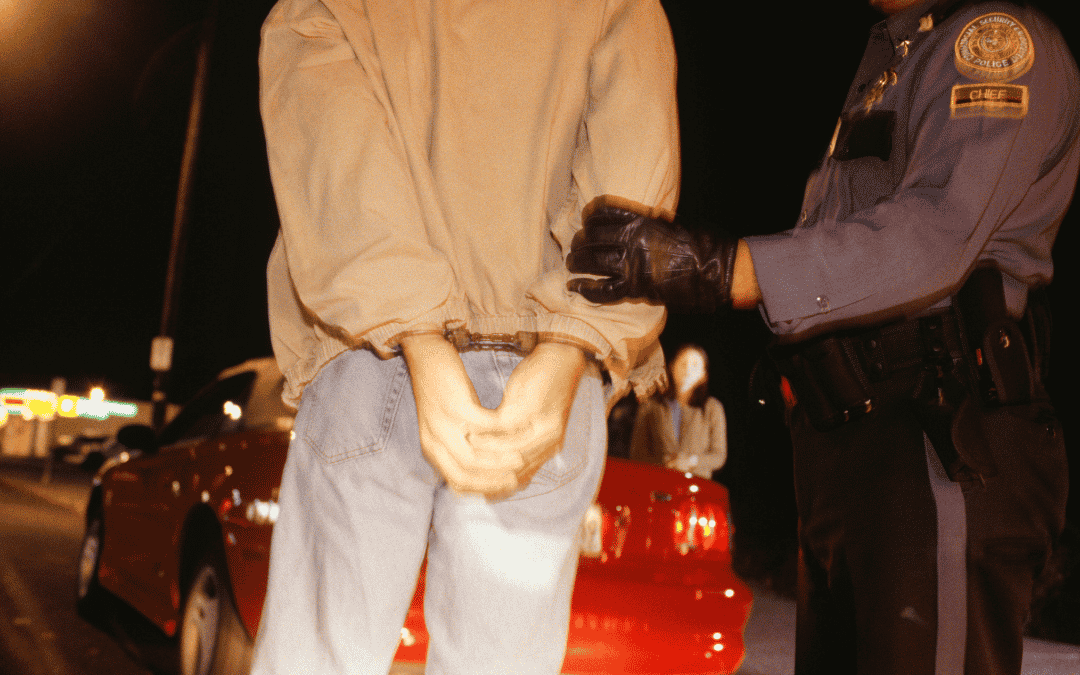

The DUI court process can be confusing and stressful. Each stage matters, from arrest to resolution, and understanding what happens helps you stay prepared. Whether this is your first charge or you have faced similar issues before, knowing the DUI legal process gives you control and clarity.
This guide explains what to expect during every step of the DUI court process, including arraignment, pretrial hearings, and possible outcomes. With the right legal guidance, you can face your case with confidence and make informed decisions that protect your future.
1. The Beginning: DUI Arrest and Charges
The process begins with a traffic stop and suspected DUI arrest. If an officer believes you are impaired, they may conduct field sobriety or breath tests. When the results suggest intoxication, you are arrested and charged.
Afterward, law enforcement submits reports and test results to the prosecutor. These documents start the DUI court hearing process. Even at this early stage, you still have rights, including the right to legal representation.
Remember: An arrest is not a conviction. You have the opportunity to challenge evidence and fight your case.
2. Booking and Release
After arrest, you are booked at a local station. This includes fingerprints, photographs, and basic information. Depending on the charge, you may be released on bail or held until the arraignment.
This is a critical moment to contact a DUI lawyer. A legal professional who understands the DUI legal process can immediately begin reviewing the details and protecting your rights.
See our Criminal Defense page for related legal support.
3. The Arraignment: Your First Court Appearance
Your arraignment is your first official court appearance. The judge reads the charges, and you enter a plea of guilty, not guilty, or no contest.
If you plead not guilty, your DUI attorney will begin preparing your defense for upcoming hearings. The decisions made during arraignment shape the entire DUI court process that follows.
4. The Pretrial Hearings
Pretrial hearings allow your defense attorney and the prosecutor to review evidence and discuss possible resolutions. Motions may be filed to suppress evidence if your rights were violated during arrest or testing.
These hearings are where many cases are resolved. A skilled DUI lawyer can negotiate reduced penalties or dismissal if the evidence is weak. If no agreement is reached, the case moves to trial.
Explore our DUI defense services.
5. Discovery: Reviewing the Evidence
During discovery, both sides examine all evidence. This can include:
- Police reports and dashcam videos
- Breathalyzer and lab test results
- Officer statements and training records
Errors in testing or handling evidence can lead to dismissal. An experienced attorney identifies these issues early in the DUI legal process.
6. The Trial Process
If the case proceeds to trial, the DUI court hearing process becomes more formal. You may have a judge or a jury. Each side presents witnesses and evidence.
The prosecution must prove guilt beyond a reasonable doubt. Your attorney works to highlight inconsistencies, improper testing, or procedural violations. When the trial ends, the judge or jury delivers a verdict.
7. Possible Outcomes and Penalties
If found not guilty, your case is dismissed. If found guilty, penalties depend on the offense and prior record. They may include:
- Fines and court fees
- License suspension
- Probation
- Community service
- Jail time for severe or repeated cases
Your DUI attorney can help minimize these penalties and work toward the best possible outcome.
Read about our Auto Accident representation for related cases.
8. Post-Trial Options
If the verdict is not in your favor, you may have the option to appeal. An appeal asks a higher court to review the decision for legal mistakes. In certain cases, record expungement may also be available.
This final stage helps limit the long-term effects of a DUI conviction.
9. How Long Does the Court Process for DUI Take?
People often ask, “How long does the court process for DUI take?”
The timeline varies, depending on case complexity and court scheduling.
- First-time DUI: About 3–6 months
- Cases with evidence challenges: 6 months to 1 year
- Cases that go to trial: Up to a year or more
A qualified DUI lawyer keeps your case moving efficiently while protecting your rights.
10. What Is the Court Process for a DUI? (Quick Recap)
Here’s a clear summary of what happens in the DUI court process:
- Arrest and booking
- Arraignment and plea
- Pretrial hearings
- Discovery and evidence review
- Trial and verdict
- Sentencing or dismissal
- Appeal or record sealing
Understanding each step helps you face the process calmly and confidently.
11. The Value of Legal Representation
A DUI charge can impact your license, job, and personal record. Trying to handle the DUI legal process alone can lead to mistakes and harsher outcomes.
Having an experienced DUI lawyer ensures that your rights are protected and that you have a strong defense at every stage.
Conclusion
The DUI court process in Illinois involves many steps, but understanding each one makes a major difference in the outcome. From arrest to resolution, knowing the stages of arraignment, hearings, trial, and possible penalties allows you to move forward with confidence.
If you are wondering what the court process for a DUI, or how long the court process for DUI may take, this guide provides a clear overview of what to expect and how to prepare. With the right representation, the DUI court process becomes easier to navigate and more manageable.
Why Choose the Law Offices of Mark G. Bergal, LTD
With over 34 years of experience, attorney Mark G. Bergal has guided Chicago residents through DUI and criminal cases with skill and determination. He brings deep knowledge and a results-driven approach to every client he represents.
The Law Offices of Mark G. Bergal, LTD in Chicago, IL, offers trusted legal representation for DUI defense, criminal defense, personal injury, and workers compensation cases. Call (312) 553-1190 today for strong legal representation in your DUI court process or related legal matters.